There is a beautiful book, 'Joys of Compounding' written by Gautam Baid. It mainly talks about the virtue of compounding by giving various examples from different investor's styles. It also provides wisdom from different master investors with regards to compounding and passive income.
Compounding is a concept which is lost to many because of the shorter time frame of Human mind. We always under estimate long term and over estimate the short term. In my earlier life as a Scrum Master, I saw people under-estimating themselves when giving an estimate for smaller project. If realistically a project takes 3 weeks, the team will say, it can be done in 4 weeks. This would mean a ~30% buffer. They end up finishing it quicker though. On the other hand, we over-estimate ourselves when committing for a longer term project. A realistically 2 years project, will be estimated to 1 year. We don't have visibility to all the unknowns initially. Hence, we poorly discount the unknown. We are worst at doing long term predictions because we don't have the ability to logically discount uncertainties from future.
But, we love to predict the long term deliverables. We predict even though we know it will be inaccurate. Deep down, we acknowledge that it will miss the mark by at least 50% margins. But, who likes uncertainty. So, we always start with prediction with low margin of error and as usual the confidence is high.

A case in point is Sydney Opera house construction. It was initially projected to be completed in 4 years with a budget of $7 million. In reality, it took 14 years to finish and cost $102 million—over 14 times the original estimate.
There are many examples where the long term predictions go horribly wrong. The important lesson here is 'Planning Fallacy' where we over-estimate our ability to make long term predictions.
Lets stretch this case to compounding in investing. When investing, we are good at predicting 10%-20% upside on a stock. Most of the brokers give you target in that range because that is more believable. If I tell you, a stock is going to be 3 times in 2 years, you will frown at me. Also, the chances are you will book the profits at 20% and call me a clown. While predictors are confident about long term, the prediction buyers are always skeptical. Like we over-estimate ourselves when planning long term projects, we under-estimate the returns when planning investment. Some amount of instant gratification is also playing here. The point here is that we underplay the compounding process like we underplay uncertainty in project execution.
There are very few research analysts who can tell that an investment will compound 3-4 times. They won't place their bet on long term at the cost of risking their reputation. The short term is always easier to predict. Long term needs patience, delayed gratification and leaving it to chance and luck. Tell me one businessman, who says I will achieve 20% compounding every year for next 10 years. If a business can't predict, how can an investor do so. Some choose the easier way of focusing on short term wealth. There are very few who can build generational wealth. For that, you have to bet on your winners for the longest term possible enjoying the 'Joys of Compounding'.
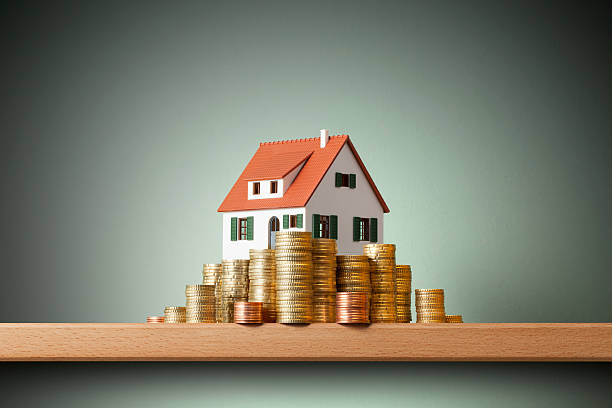
This also explains why real estate compounding works better than equity. This is because we do not make predictions. We just sit through all the cycles and eventually enjoy the 'Joys of Compounding'. We fail to replicate this in equity because there is a price ticker which rewards prediction higher than uncertainty.
Dealing with long term requires conviction and deeper belief in the projection. The long term has a larger margin of error, but with time on your side, you will achieve compounding. Warren Buffet built most of his wealth from several businesses by combining value investing with patience and delayed gratification.
Experience the joys of compounding once in your life. You will never return to active investing. Instead, you will continue to invest passively.
What is Passive Income and How do we generate it?
So far I was talking about passive investment. Lets look into Passive income now. Passive income is letting your money earn for you while you sleep. This is specially useful during your retirement phase. There are different ways you get there.
1. Real Estate Rental Income
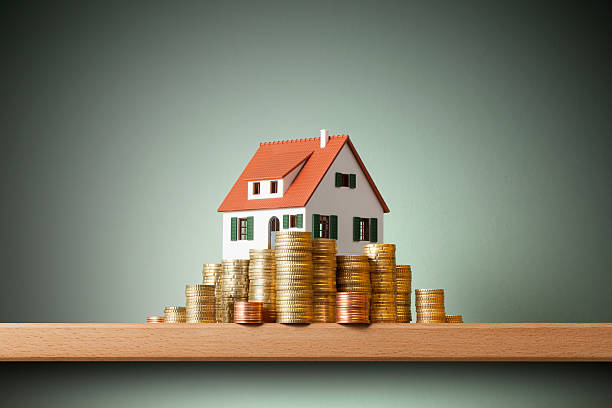
Invest in real estate today and substitute your current cash flow with rental income of future. As you would agree, rents are going to go higher, this is a solid plan in that way. The issue is ability to own multiple properties with large enough rental income. Rental income normally ranges from 3% to 5% of the asset market price. Hence, you need to start early when you can buy it cheap enough. The rental yield doesn't look good to start with. But, with time as rents go high, it starts looking lucrative. Best case is you don't have to buy it and happen to own an ancestral property.
2. Dividend Income
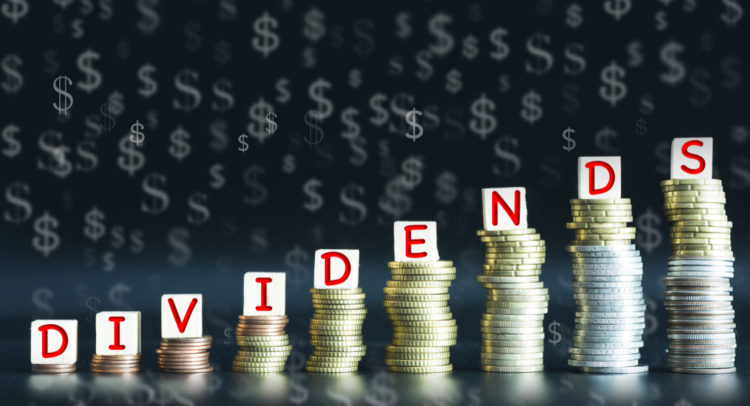
Invest in solid dividend paying stocks and live your life through dividend. NIFTY index stocks have roughly 2% dividend yield. This would mean, you have a Equity portfolio of 10 cr. to get an annual income of 20 lac. You will argue, we can buy Coal India. But then, we are talking about a balanced portfolio here. So, first we need to build that size of portfolio to live out of dividend income. Through disciplined passive investing, it is possible. But, it will take patience and time to reach there. That being said, its a volatile asset and market caps can go down.
3. Fixed Interest Income
This is the most stable way of income. Whatever comes, you generate 7%-8% of interest income. A portfolio of roughly 3cr. rupees can help one achieve the same effect as Dividend income discussed earlier. A good systematic withdrawal plan on a debut Mutual Fund can help you achieve this passive income. There are also monthly income scheme available from banks/post office which can do this for you.

Final Thoughts on Compounding and Passive Income
Enjoy the Joys of Compounding by doing Passive investing (mix it with some infrequent activity if you will). Avoid too much activity, its not worth it. Investing and compounding is a slow process. Enjoy the journey, destination will follow with time. One should aim to reach a stage of Passive income to replace the current cash flow in future.